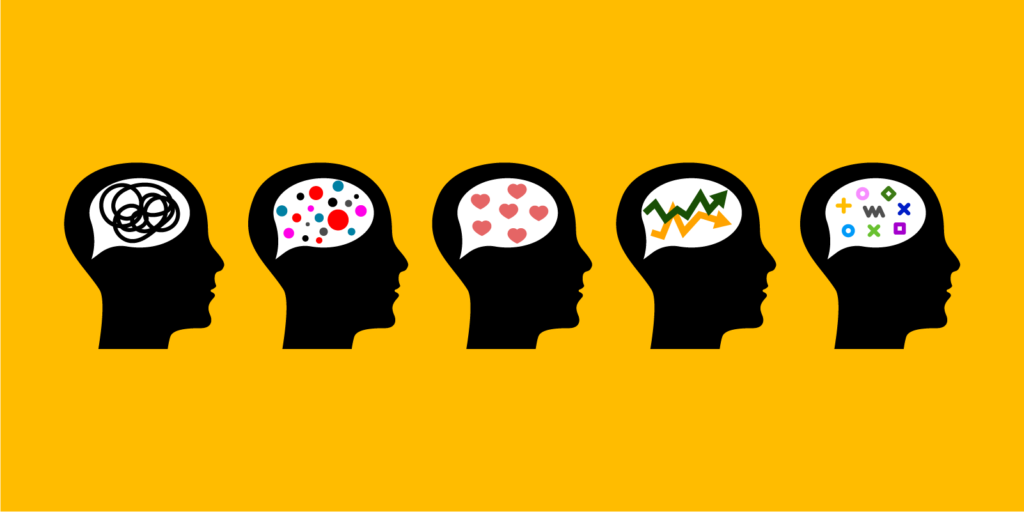
There’s often an unspoken pressure to fit a mould of what’s “normal”. But what if that mould doesn’t fit you?
What if your brain is wired differently, and squeezing into that box is causing stress, anxiety or even depression? We all long to belong. But according to researcher Brené Brown, true belonging only comes when we dare to show our authentic, imperfect and sometimes “weird” selves.[1]
At a glance
- Neurodivergent brains, such as ADHD, autistic and dyslexic brains, are natural variations, with real strengths and real challenges.
- Many struggles come from environments that don’t fit, not from something being “wrong” with you.
- Understanding yourself, finding your people and being kind to yourself can lead to a happier, more authentic life.
Neurodiversity: a spectrum of brilliance
Neurodiversity isn’t a new idea. It grew from the autistic community in the 1990s, developed collectively by many voices,[2] and now includes ADHD, dyslexia, Tourette’s and other differences. Some people include conditions such as OCD too.
Neurodivergent describes people whose brains work differently from what’s considered typical. ADHD, autism and dyslexia aren’t deficits. They’re variations of the human brain, with their own strengths, perspectives and challenges.
From a social model of disability, many challenges come from barriers in society and the environment. That’s why it matters so much to find places and people that help you flourish.
There’s no single “right” way to think, learn or experience the world. Many organisations now recognise the value of different thinking styles. Some workplaces have built neurodiversity programs because people who see the world differently can bring fresh ideas and solutions.[3] In nature, diversity helps species adapt to change. Many people find that a helpful way to think about brains too.
The power of authenticity
Embracing your neurodivergence is about more than accepting differences. It’s about recognising the strengths that come with your brain, and refusing to believe you need to be “fixed” or “normal”.
Yes, we all have challenges, and accepting help to cope better and reach your goals is part of that. Getting help is an act of courage. Everyone deserves a purposeful and happy life.
When we’re authentic, we also make room for others. Challenging stereotypes and acting with compassion helps the people around us be their true selves too.
5 ways to embrace your neurodivergence
- Learn about your brain. Whether it’s ADHD, autism or both, understanding how your brain works is powerful. Learn from others, too: the strategies and workarounds they use, and how they talk about their experiences.
- Connect with other neurodivergent people. Sharing experiences and building community can be incredibly empowering. In one study, autistic adults who felt more positively connected to their autistic identity had higher self-esteem and lower anxiety and depression.[4]
- Challenge stereotypes, if you want to. If you feel comfortable, speak up about myths and misconceptions. Letting your strengths shine is a powerful way to challenge stigma too.
- Focus on your strengths. Everyone has them. If yours are hard to see, ask someone you trust: a friend, partner, parent, child or therapist. Notice your achievements and remember them. Your perspective is a gift, not a deficit.
- Be kind to yourself. You don’t need to be perfect. Comparing yourself to others or squeezing into a mould that doesn’t fit is exhausting. Notice how hard you work, and celebrate your own growth.
A journey, not a destination
Embracing neurodiversity takes time, effort and courage. But a happier, more authentic life is worth it. And when you show up as yourself, you make it easier for the right people to find you.
How Psychcare can help
- Understanding yourself. Neuro-affirming ADHD and autism assessments, including AuDHD, for children, teens and adults.
- Therapy that fits. Neuro-affirming therapy for self-acceptance, masking, burnout and strategies that work with your brain.
- Support for families. Helping parents understand and support their neurodivergent children. See children and teens.
Sessions are available at our Wahroonga clinic or by telehealth anywhere in Australia.
Common questions
What does neurodivergent mean?
It describes someone whose brain works differently from what’s considered typical. It includes ADHD, autism, dyslexia and more. It’s not a diagnosis in itself.
Does embracing neurodiversity mean ignoring the challenges?
No. It means seeing the whole picture: your strengths and your challenges, and getting the right support without feeling you need to be “fixed”.
Do I need a diagnosis to call myself neurodivergent?
Many people identify as neurodivergent before or without a formal diagnosis. An assessment can help if you’d like clarity, access to supports or a better understanding of yourself.
Keep reading
Ready to be more you?
Whether you’re newly exploring your neurodivergence or have known for years, we’re here to help you thrive as yourself. Book online, call us, or start with a free 15-minute chat.
(02) 9037 3509Suite 4 & 5, 5 Redleaf Avenue, Wahroonga NSW 2076. Telehealth Australia-wide. Psychcare is not an emergency service. If you or someone you know is in immediate danger, call 000 or contact Lifeline on 13 11 14.
Sources
- Brown, B. (2017). Braving the wilderness: The quest for true belonging and the courage to stand alone. Random House.
- Botha, M., Chapman, R., Giwa Onaiwu, M., Kapp, S. K., Stannard Ashley, A., & Walker, N. (2024). The neurodiversity concept was developed collectively: An overdue correction on the origins of neurodiversity theory. Autism.
- Austin, R. D., & Pisano, G. P. (2017). Neurodiversity as a competitive advantage. Harvard Business Review, 95(3), 96–103.
- Cooper, K., Smith, L. G. E., & Russell, A. (2017). Social identity, self-esteem, and mental health in autism. European Journal of Social Psychology, 47(7), 844–854.
This article is general information, not personal clinical advice.